E-Waste Explained: Separating Myths from Facts About Recycling
E-waste has become a significant issue in today's digital age. Numerous individuals harbor misunderstandings about how it is recycled. Common beliefs suggest that e-waste has no recycling solutions or that proper disposal methods are restricted. These myths can hinder effective recycling efforts and exacerbate environmental damage. Understanding the realities of e-waste management is essential. What are the actual impacts on the environment, and how can individuals See it here contribute to a more sustainable future? Examining these concerns uncovers important findings.
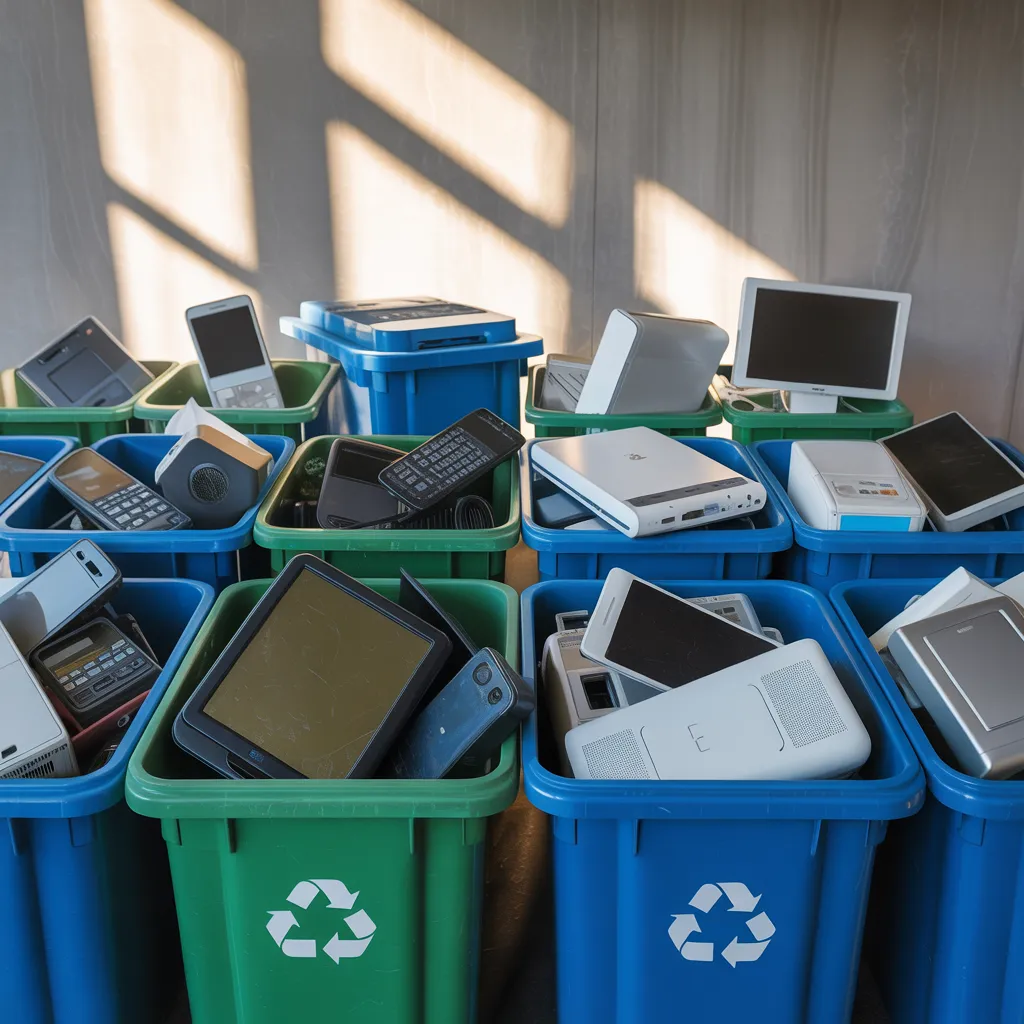
Unpacking E-Waste: What It Involves and How to Manage It Responsibly
Electronic waste, commonly known as e-waste, is defined as discarded electrical devices, including computers, smartphones, and televisions. This type of waste is growing at an alarming rate as a result of the rapid advancement of technology, resulting in considerable environmental challenges. A wide range of electronic equipment contains toxic components such as lead, mercury, and cadmium, which can pose risks to human health and ecosystems when improperly disposed of.
Responsible disposal of e-waste involves recycling through certified programs that guarantee safe handling and processing. Various local and national organizations offer collection events, drop-off centers, and mail-in recycling options. Individuals are advised to look for certification marks, such as R2 or e-Stewards, to verify that their e-waste is handled responsibly. Additionally, offering operational devices for donation can help extend their lifespan while cutting down on waste. By gaining knowledge about e-waste and implementing appropriate disposal techniques, individuals can support a more sustainable future and lessen environmental consequences.
Debunking Myths About E-Waste Recycling
How do widespread misconceptions about e-waste recycling obstruct effective disposal practices? Misconceptions about e-waste recycling frequently result in improper disposal methods, ultimately worsening the situation. One widespread misconception is that all e-waste is fully recyclable, which tends to breed complacency. The truth is that not all components can be efficiently processed, and some necessitate specialized handling. Another common belief is that recycling e-waste is excessively complicated or costly, preventing individuals from getting involved. The reality is that numerous communities provide accessible and free recycling programs. Additionally, the belief that e-waste simply ends up in landfills undermines the significant efforts of recycling organizations that prioritize responsible processing. Such misconceptions not only mislead the public but also obstruct the collective effort required to manage e-waste sustainably. Addressing and debunking these misconceptions is essential for fostering responsible consumer behavior and enhancing the overall effectiveness of e-waste recycling initiatives.
What Are the Environmental Consequences of Not Recycling E-Waste
Not recycling e-waste properly poses significant threats to the environment. When electronics are disposed of incorrectly, hazardous materials such as lead, mercury, and cadmium may contaminate soil and water sources, causing significant ecological contamination. Such dangerous compounds threaten the health of both animals and people, disrupting ecosystems and contaminating food sources.
Moreover, the accumulation of e-waste in landfills leads to the depletion of natural resources. Critical metals and materials that have the potential to be salvaged and reused are wasted, increasing the demand for new mining operations, which additionally degrades the environment. Moreover, the carbon footprint resulting from manufacturing new electronics is worsened, as raw materials are harvested and utilized.
Effective Techniques for Recycling Your Old Electronics
Regarding disposing of outdated electronic devices, people have a number of practical choices available. Local recycling programs often provide secure methods for disposal, ensuring that materials are processed responsibly. Furthermore, donating serviceable gadgets can increase their longevity while supporting individuals who could use assistance.
Area Recycling Schemes
Many communities now offer local recycling programs designed specifically for the responsible handling of aging electronic devices. Such initiatives are focused on reducing digital waste by providing accessible drop-off locations and scheduled collection events. Homeowners can frequently locate details about accepted materials, guaranteeing that dangerous components are handled correctly. Community recycling programs often collaborate with certified e-waste recyclers, who adhere to environmental standards to reclaim valuable materials and dispose of harmful components responsibly. A number of programs further include benefits, including reduced pricing on replacement devices, to promote community involvement. By utilizing these local resources, community members can promote environmental responsibility while guaranteeing their outdated equipment is processed safely and efficiently. Awareness of these options is essential for responsible e-waste management.
Options for Donating
Regional recycling efforts not only establish a way for responsible disposal but also open up possibilities for donating pre-owned electronics. A variety of organizations receive operational devices, such as computers, smartphones, and tablets, that can be repurposed for academic or charitable applications. Schools, charitable organizations, and community facilities regularly embrace such donations, making certain that essential technology gets to individuals in need. Moreover, select manufacturers and retailers run trade-in schemes, permitting individuals to exchange aging devices for store credit, which supports sustainable consumption. It is necessary to explore available local choices and ensure that the recipient organization complies with responsible recycling guidelines. By choosing to donate over throwing away, individuals can lengthen the lifespan of electronic devices while fulfilling their community's technological demands.
How Recycling E-Waste Can Benefit You and the Environment
Despite being underestimated by many, e-waste recycling provides significant advantages for both consumers and the natural world. By appropriately handling discarded electronics, individuals can ensure that important components, such as metallic and plastic components, are reclaimed and repurposed, limiting the requirement for raw material extraction. This not only safeguards environmental resources but also minimizes pollution associated with resource harvesting and fabrication methods.
Moreover, e-waste recycling helps prevent harmful materials, like lead, mercury, and similar toxins, from contaminating water sources and soil. By redirecting e-waste away from landfills, communities can mitigate potential health risks to humans and animals alike.
Additionally, taking part in e-waste recycling has the potential to create financial benefits, as the recycling industry stimulates job growth and strengthens local financial growth. Ultimately, responsible e-waste management cultivates a environmentally sound future, benefiting individual well-being, the ecological balance, and the economic landscape equally. Acknowledging these merits can prompt more citizens to get involved with e-waste recycling programs.
How to Locate Local E-Waste Recycling Programs
Where can people find e-waste recycling programs near them? Several helpful resources are available to support this effort. Local municipalities commonly host websites that catalog certified recycling facilities. These platforms usually offer specifics regarding accepted materials and any relevant charges. Furthermore, organizations like Earth911 offer searchable online databases that enable users to discover local e-waste drop-off points by inputting their zip codes.
Municipal initiatives, such as electronics recycling days, are regularly arranged by city authorities or charitable organizations, providing accessible solutions for responsible disposal. Electronic goods sellers may also join environmental recycling campaigns, taking in unused equipment for responsible management. Additionally, state-level ecological departments often supply information on digital waste disposal and can refer residents to credible recycling options. By leveraging these available tools, consumers can guarantee their electronic waste is disposed of responsibly, contributing to environmental sustainability.
Frequently Asked Questions
Can Electronic Waste Be Fixed Instead of Being Recycled?
E-scrap can frequently be restored instead of recycled, subject to the device's condition and availability of parts. Fixing increases the useful life of the device and lessens the burden on the environment, offering an eco-friendly option compared to conventional recycling approaches.
What Types of Electronics Are Considered E-Waste?
Electronic waste refers to discarded electronics such as computers, smartphones, tablets, televisions, printers, and appliances. These devices often contain harmful substances, which makes proper recycling and disposal critical to safeguard the environment and public health.
Are There Any Legal Regulations on E-Waste Disposal?
Absolutely, there are legal regulations governing e-waste disposal. Various countries and jurisdictions establish legal measures to safeguard proper recycling and disposal, with the goal of limit ecological damage and foster responsible oversight of e-waste through particular rules and requirements.
How Do I Properly Store E-Waste Before Taking It to Recycling?
When it comes to safely storing e-waste before recycling, it is recommended that individuals keep their devices in a cool, dry area, remove all power sources, and employ solid containers to protect against damage. Label items clearly to guarantee proper disposal later.
What Certifications Should I Look for in E-Waste Recyclers?
When selecting e-waste recycling companies, individuals should look for credentials such as R2 Responsible Recycling, e-Stewards, and ISO 14001. These certifications ensure conformance to environmental guidelines and ethical management of electronic waste across the full recycling process.